The Allegations
The charges related to files recovered from a hard drive. The prosecution also relied on artefacts it said were indicative of searches for such material.
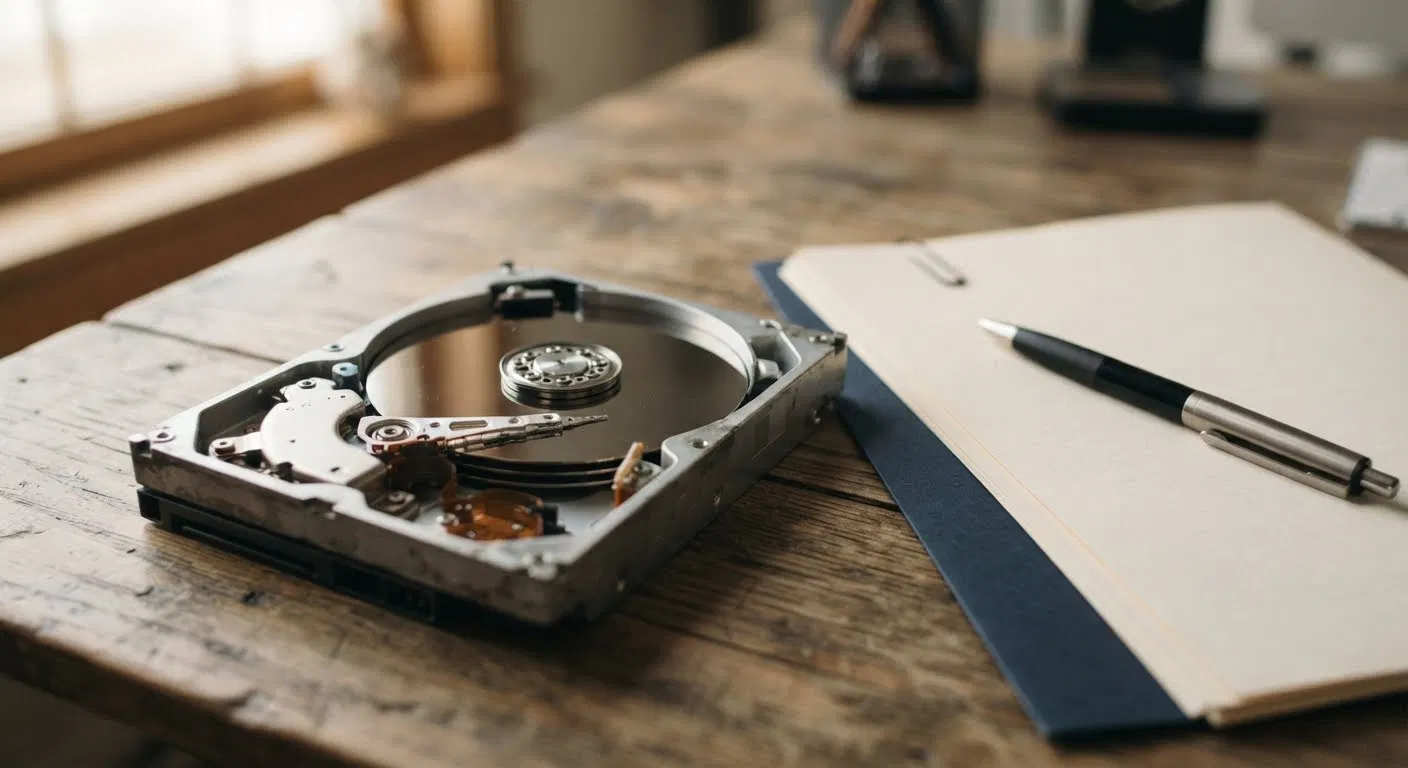
Our criminal defence team recently represented a client charged with two counts of making indecent photographs of a child. After we instructed an independent expert to examine the seized devices, the prosecution offered no evidence.
The charges related to files recovered from a hard drive. The prosecution also relied on artefacts it said were indicative of searches for such material.
Our client denied the allegations. He explained that the hard drive belonged to his employer and that he had taken it home along with other equipment when the premises closed at short notice at the start of the first national lockdown in 2020. He had only used the drive with a refurbished laptop and had never seen the files, which he maintained were made on his employer’s equipment before he joined the company. He also believed that pop-up advertisements may have left the artefacts described as searches.
We instructed our own digital forensic expert to review the seized devices and prepare a report, in light of our client’s account. This meant the prosecution’s interpretation of the digital evidence could be tested rather than accepted.
The expert carried out an independent digital forensic examination of the devices using specialist software. With reference to material on the device, he explained exactly the matters that had been overlooked by the prosecution, and exactly why its explanation was not the definitive one. His detailed report proved to be central to our client’s defence.
As a key part of its case, the prosecution emphasised the time stamps of two files found on a seized device. In his analysis, our expert undermined the argument that the timestamps alone could convincingly show when, or how, the files came to be on the device.
Importantly, the expert was clear in his overall conclusion: there were limitations on the prosecution’s evidence, which undermined its significance.
After we served the expert’s report, the prosecution consulted the police forensic unit and after discussion with counsel offered no evidence, meaning the case did not go to trial. A Not Guilty verdict was formally entered.
To find out more about the barrister we instructed to work with us on this case, please visit https://www.newparkcourt.co.uk/barrister/amber-walker/
If you are under investigation or have been charged with an offence involving digital evidence, our criminal defence solicitors can advise you on your options. While every case is different, we can explain where you stand and how best to approach your defence.